
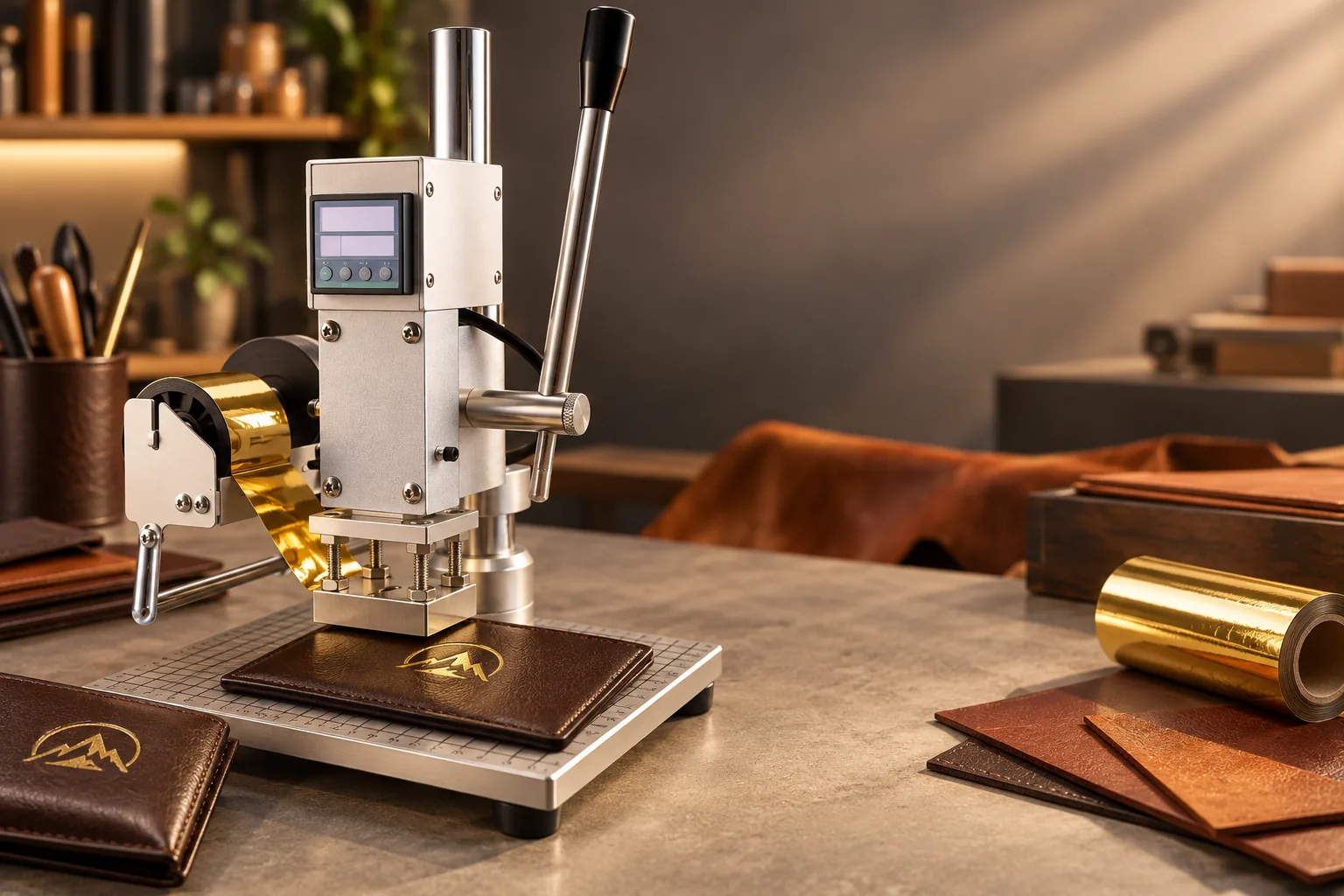
Buying a hot stamping press is a workshop decision, not a spec-sheet decision. Two machines with identical wattage can produce very different results in practice, because what actually determines output quality is platen geometry, positioning repeatability, tooling access and how easily a successful setting can be reproduced on the next piece. This guide walks through the decisions in the order they matter, with the questions to ask any supplier before you pay.
1. Start with the product you want to stamp
Everything else follows from this. List the actual items: leather patches and labels are flat and easy to position; completed wallets, boxes, straps and wooden goods have seams, hardware and varying thickness that demand more clearance and better fixturing. For each product, write down five things before contacting any supplier:
✓ The material and its finish (coated PU, full-grain, waxed, paper, wood)
✓ The thickest point the die must press through, including seams and linings
✓ Logo size — measured on the complete die, not the visible artwork
✓ The finish you want: metallic foil, pigment foil, or blind debossing
✓ Realistic daily quantity — twenty pieces and two thousand pieces point to different machines
Send your supplier a product photo with the logo position marked and the distance from the nearest edge. This single image lets them confirm platen size, clearance and fixturing in one reply — and suppliers who ask for it before quoting are the ones who have actually run production work.
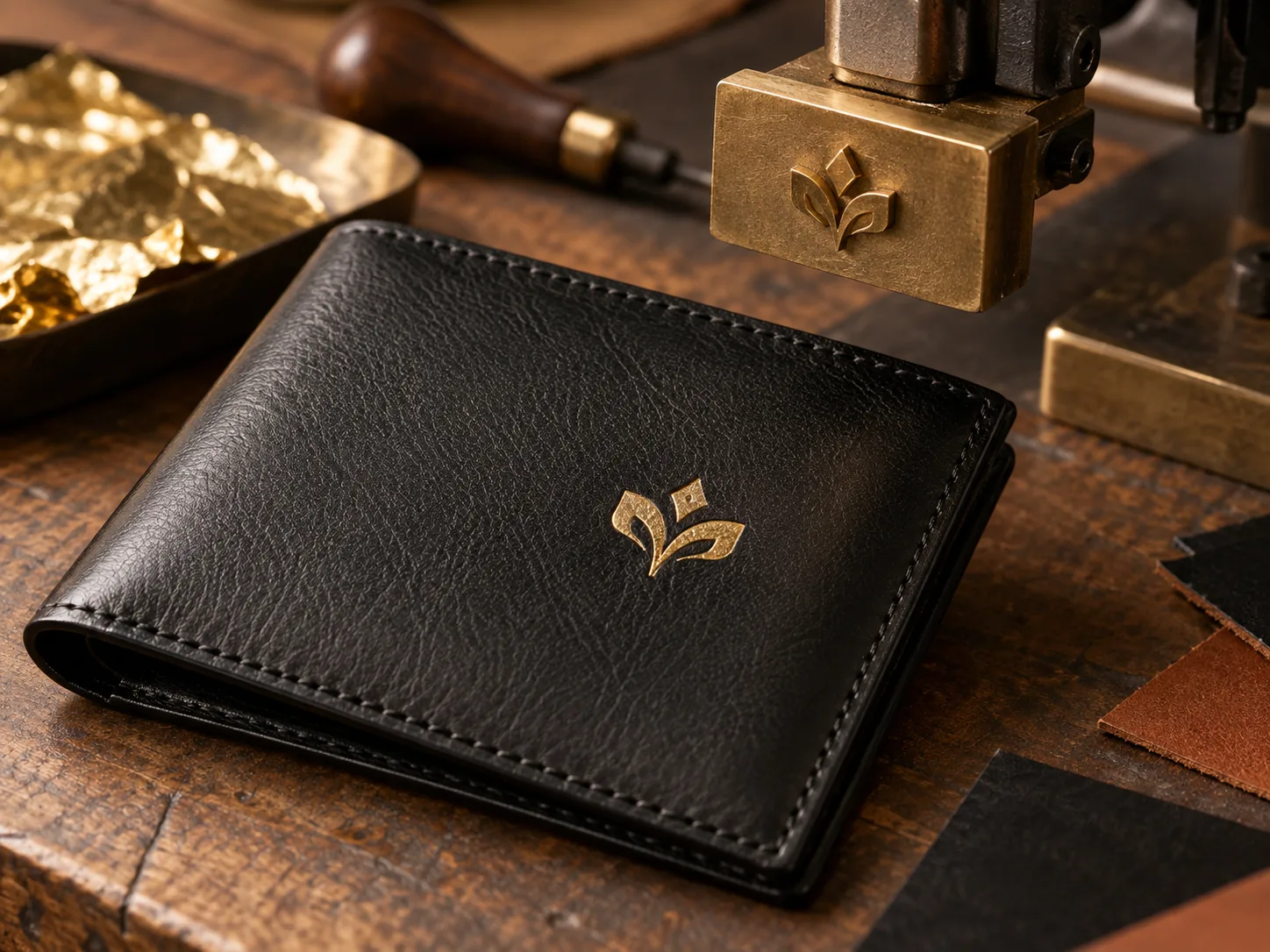
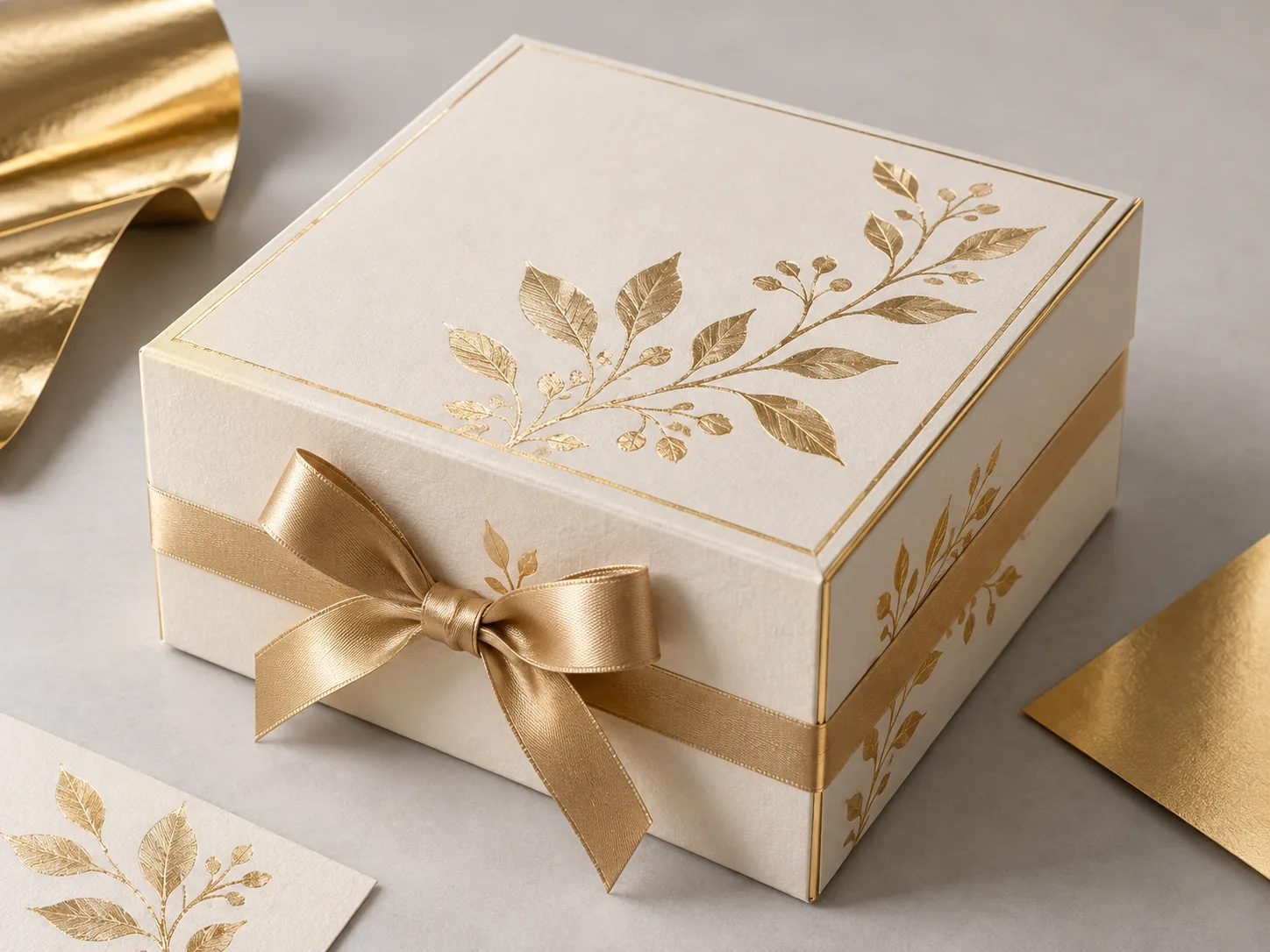
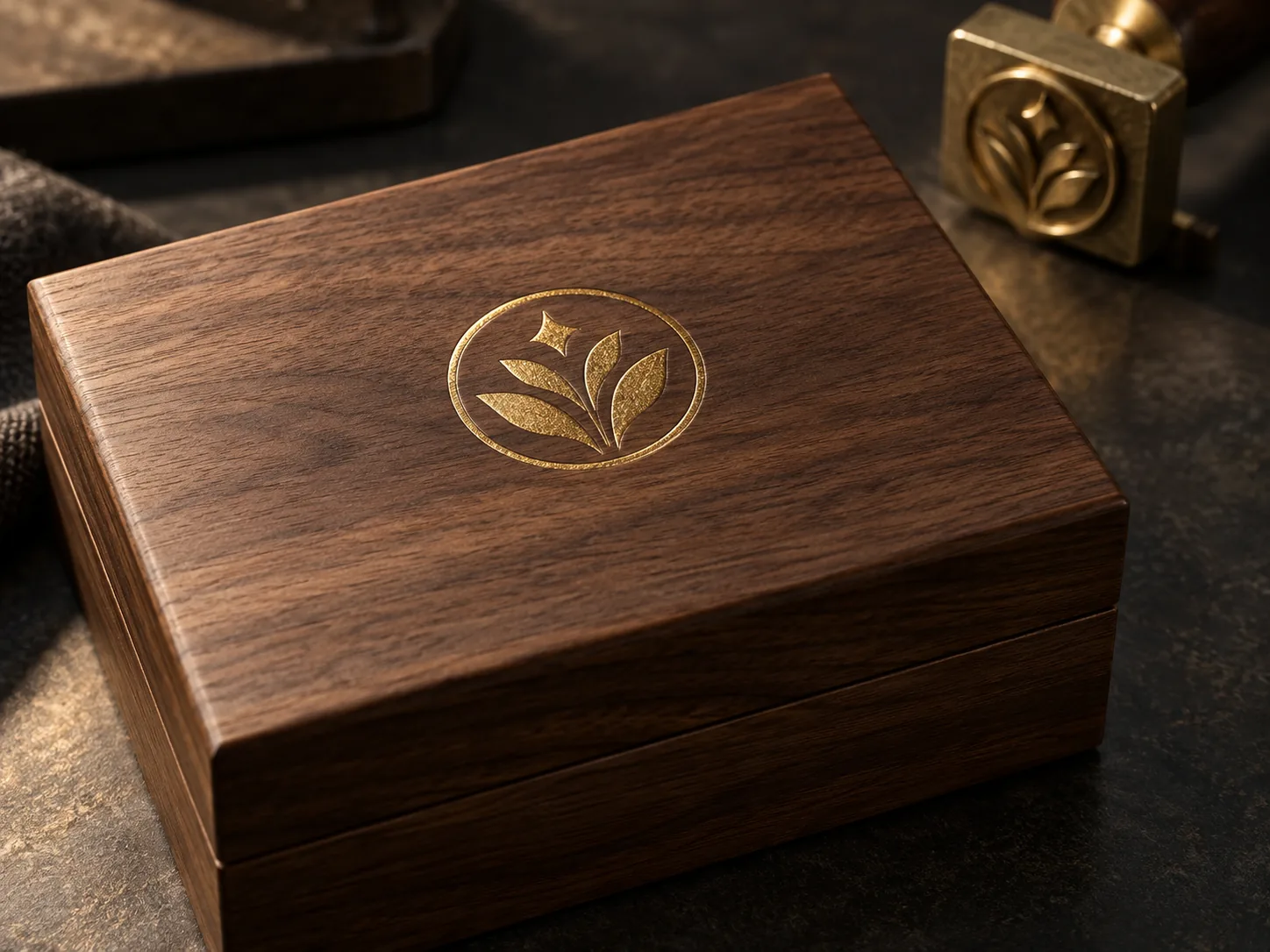
Application examples
2. Match the heating platen to the artwork — with margin
The platen must be larger than the complete copper die or type holder, including the mounting margin around the artwork. A logo that measures 60 × 40 mm on paper may need an 80 mm-wide platen once bevels and mounting screws are accounted for. Undersizing shows up later as logos that cannot be centred or dies that overhang the heater and stamp unevenly.
Oversizing, on the other hand, is wasted money for most small-goods workshops. A larger heater costs more, heats slower, and invites artwork that is bigger than your products actually need. The WT-90DS manual hot stamping machine offers three practical formats:
If your logo sits close to the platen limit, ask the supplier to check the die drawing before production — a five-minute drawing check prevents a die that physically cannot be mounted.
3. Compare temperature control and positioning
Temperature, pressure and dwell time determine foil transfer quality, and the machine's job is to make those three repeatable. What to look for:
Digital controller with set and current temperature. A display showing both the target and the actual die temperature lets you see drift and know when the machine is genuinely ready. Machines with only a dial force you to guess — and guessing is how Monday's perfect setting becomes Tuesday's blurred one.
Direct pressure feedback. A manual lever gives the operator feel — the resistance of the material, the moment of full contact. This matters enormously for samples, personalization and short runs where every piece differs. It is also the main reason experienced operators often prefer manual presses even when a pneumatic one is available.
Repeatable positioning. The WT-90DS has a 165 × 140 mm graduated worktable and approximately 110 mm of product clearance. A graduated table plus positioning clips means logo placement is set once with a ruler and then repeated hundreds of times. When a logo must sit a fixed distance from an edge — and it almost always must — positioning repeatability saves more daily time than any other feature.
For finished goods that cannot lie flat, plan a positioning fixture or a finished-product workbench from the start, not as an afterthought.
4. Foil handling and tooling decide daily convenience
An optional foil roll holder is worth specifying for repeated work: it keeps the foil flat and organized, and advancing to a clean section after each impression takes seconds instead of a fumble across the bench. Loose foil sheets work for occasional sampling but slow down anything resembling production.
Tooling is the other half of the purchase. A fixed logo needs a custom copper die — order it from the same supplier as the machine and the two are matched from day one. Movable type (individual brass or steel letters) covers names, initials, dates and serial numbers without a new die per variation. If your business involves personalization at all, ask for a type holder with the machine, because retrofitting one later often means re-matching platen dimensions.
5. Budget the total cost, not the machine price
The press is the largest single line item but rarely the largest first-year cost. A realistic budget includes:
✓ The machine itself (check voltage for your country — 220V vs 110V matters)
✓ One copper die per fixed logo, priced by size and engraving complexity
✓ Foil rolls — leather-grade foil, ordered in the colours your brand actually uses
✓ Optional foil holder and positioning fixture
✓ Test material — keep scraps from every product you stamp
Suppliers who quote the machine but stay silent on dies and foil are deferring the questions that matter. Ask for the complete package in one quotation; it also gives you a single point of accountability when settings need tuning later.
Manual hot stamping machine buyer checklist
✓ Is the platen larger than the complete die, with mounting margin?
✓ Will the finished product — not just the flat material — fit under the press head?
✓ Does the controller show set and actual temperature?
✓ Is positioning repeatable (graduated table, stops or clips)?
✓ Is the foil holder included or reasonably priced?
✓ Can the same supplier make the copper die and supply foil?
✓ Is the voltage correct for your country?
✓ Is spare-part and settings support available after delivery?
When is the WT-90DS a good fit?
The WT-90DS is a compact 500 W desktop press for custom logos, samples and small batches. It suits workshops that need manual pressure control, digital temperature display and flexible platen sizes — the combination described throughout this guide. For high-volume production, consistent automatic cycles, or lines with multiple operators who must produce identical results, a pneumatic machine is usually the better choice — and our comparison guide walks through that decision in detail.
FREQUENTLY ASKED QUESTIONS
Questions buyers often ask
Can one machine stamp both leather and paper?
Yes. The machine only provides controlled heat and pressure — the foil grade and your settings do the material-specific work. Test each material separately and keep a settings log per die-and-material combination.
Do I need a custom copper die?
A fixed brand logo normally needs a custom die. Movable type is better when names, initials, dates or numbers change — and many workshops run both: a copper die for the brand mark, a type holder for personalization.
What platen size do I actually need?
Measure the complete die with mounting margin, not just the visible artwork. Most wallet, card and notebook logos fit within 80 × 100 mm. Buy larger only if your artwork genuinely requires it.
Manual or pneumatic — which should I buy?
Manual for samples, personalization and daily runs up to a few hundred pieces where operator feedback helps. Pneumatic for volume, repeat consistency and multi-operator lines. See our manual vs pneumatic guide for the full comparison.
What else should I budget for?
Copper dies per logo, leather-grade foil, and ideally a foil holder and positioning fixture. These determine output quality as much as the machine does.